


Software you can bet the business on.
LOJI is a Texas product engineering firm: your AI strategy to execution partner. We plan, build, fix, and stand behind software for businesses that cannot afford surprises. One fixed price, scoped before you spend a dollar.

Estimate
Scope and a fixed quote
Validate
See it before you pay to build it
Build
Design, build, secure
Support
We stay after launch
Estimate
Scope and a fixed quote
Validate
See it before you pay to build it
Build
Design, build, secure
Support
We stay after launch
Start from the situation you are actually in.
Whatever state the project is in, the first step is the same: we look at what you have, tell you what it takes, and put one fixed number on it.
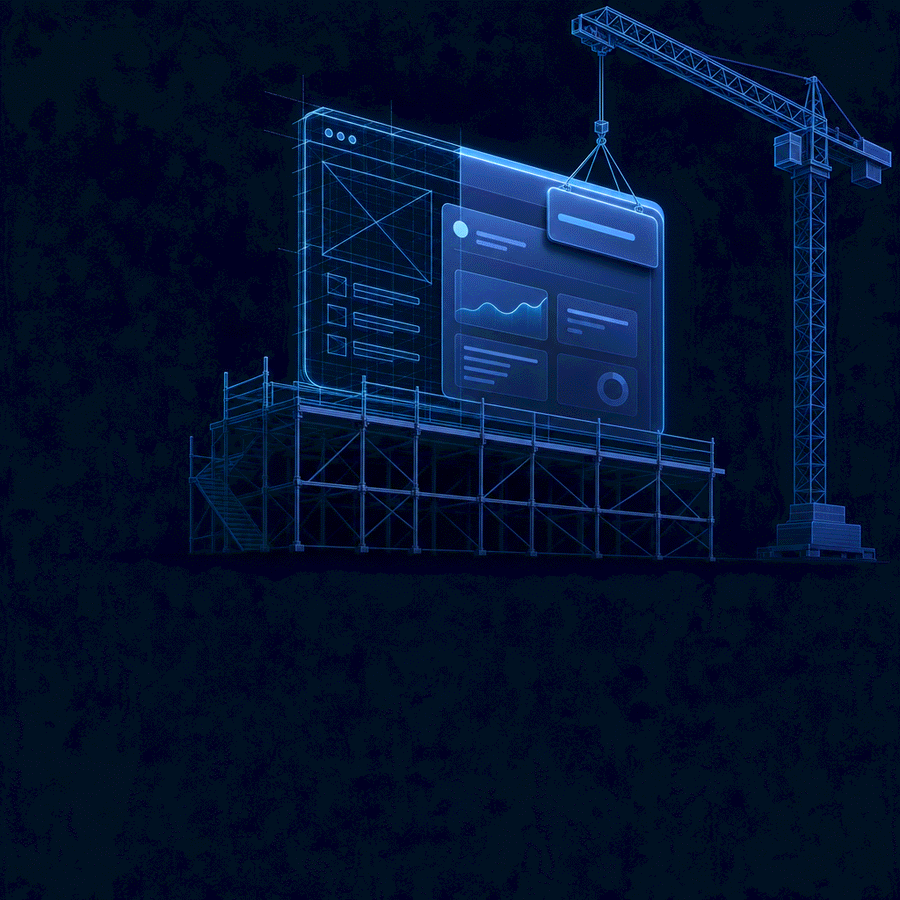
Rescue my AI-built app
Built with Lovable, Cursor, Bolt, or your own prompting. It works in the demo. We review the flow, code, data, and security so it holds up when real users depend on it.
See the rescue path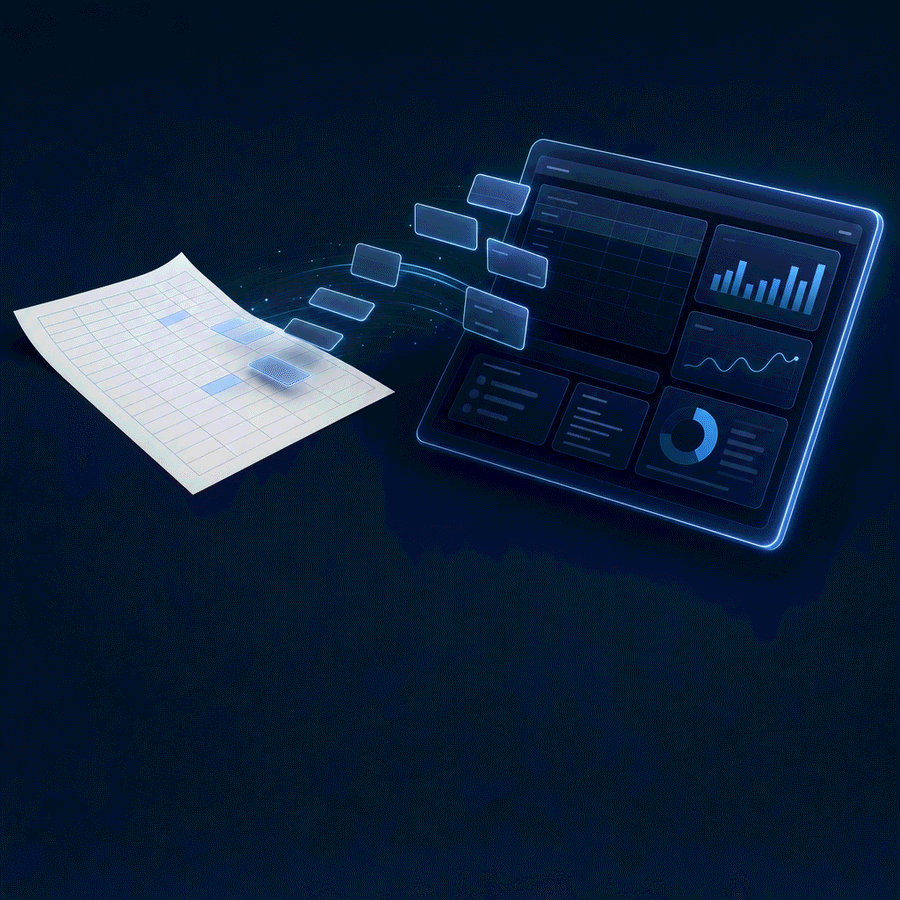
Build it right the first time
Your business runs on spreadsheets, a whiteboard, or a process that lives in someone's head. Bring the problem in plain language. We turn it into software and tell you the price first.
See how we build
Put AI to work in my business
No project yet, just the sense that your competitors are getting faster. We map where AI and custom software actually pay off in your operation, in plain English.
See where AI fitsEvery business is about to have an AI voice agent on its home page.
We help you get there first. LOJI is your AI strategy to execution partner: we find where a virtual employee actually pays for itself in your business, design the workflow blueprint, then build the agent, wire it into your systems, and run it in production.
The agents run on Refract, the voice platform we built and operate. Talk to a live one at refract.host, then pick the role you would hire first.

AI Receptionist
Answers every call in seconds, 24/7.
Explore agent
AI Appointment Setter
Books, confirms, and reschedules without phone tag.
Explore agent
AI Outbound Sales Agent
Calls leads and runs follow-up to done.
Explore agent
AI Lead Qualification Agent
Qualifies every lead the minute it arrives.
Explore agent
AI Customer Support Agent
Resolves the questions you answer every day.
Explore agent
AI Website Voice Agent
Talks to visitors right on your site.
Explore agent
AI Database Reactivation Agent
Wakes up the leads already in your CRM.
Explore agent
AI Review & Reputation Agent
Asks for reviews and answers every one.
Explore agent
AI Collections Agent
Chases invoices politely until they clear.
Explore agent
AI Recruiting Agent
Screens applicants while they are still interested.
Explore agent
AI Email Outreach Agent
Researched outreach that follows up to an answer.
Explore agent
AI Content & Social Agent
Publishes in your voice, on schedule.
Explore agentWe deploy in your cloud platform or in ours.
Veracode found 45% of AI-generated code contains OWASP Top-10 vulnerabilities.
That is the 45% we exist for.




We build MVPs the same way: AI speed, fixed price.
You do not need to arrive with a technical plan. Bring a workflow, design, spreadsheet, or customer problem. We shape the first useful product, quote one fixed price, and build it with the same AI leverage we harden for everyone else.
Minimum engagement
$4k
A readiness audit, consulting sprint, or focused first scope. The quote itself is free: you know exactly what phase one costs before you spend anything.
Average MVP project
~$40k
Fixed price, shipped in weeks, not quarters. Scope, integrations, AI behavior, and data complexity shape the number. The number we quote is the number you pay.
See exactly what it costsWhere AI-built apps break, and what we do about it.
We work as product engineers across the whole launch path, and we stay accountable after it. These are the four places the work concentrates.
AI app readiness and hardening
We review AI-built prototypes and products for scope, architecture, generated-code risk, and launch readiness, then we close the gaps in order.
AI security and production risk
We handle prompt injection, data leakage, tool permissions, auth, and output controls inside the delivery path, before users and data are exposed.
Support after launch
We set support expectations before release day, not during the first production issue. Launch does not end our responsibility.
Roadmap continuity
We keep the product context, so the next release starts from what we know instead of restarting discovery. That is where follow-on speed comes from.
The full range of our work.
Rescue work only converges fast because we build all of this ourselves, end to end.

Web apps
React and Next.js products, from marketing sites to workflow-heavy SaaS.

Mobile apps
Cross-platform builds that ship to both stores, with releases planned in.
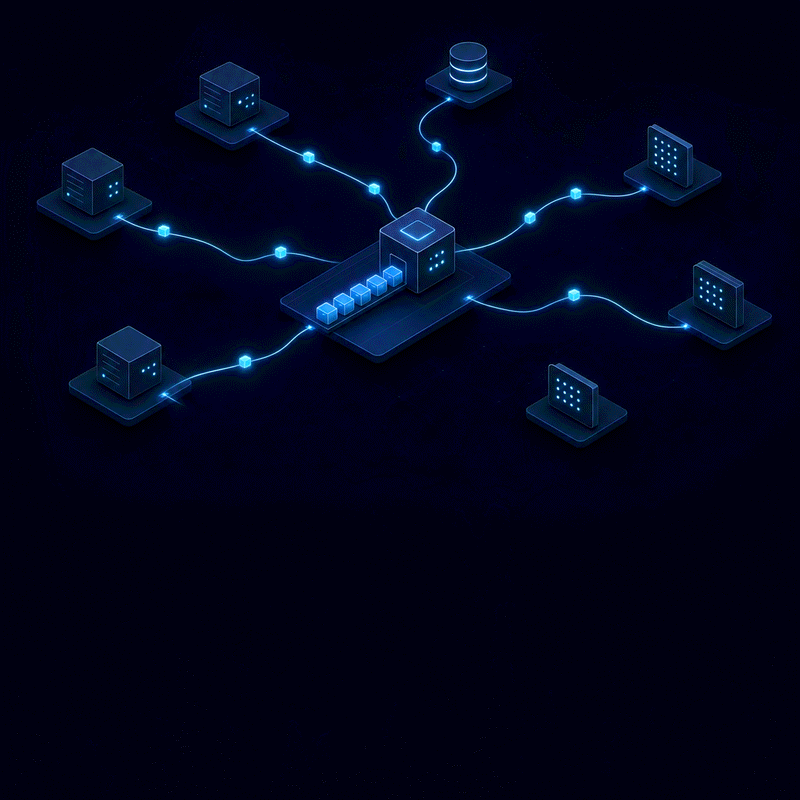
Web services
APIs, integrations, webhooks, queues, and the idempotency billing depends on.
Cloud
Kubernetes, AWS, and on-prem clusters. We run our own production infrastructure.

Neural networks
We build and train small task-specific models on your own data.

AI agents
Voice agents and virtual employees that answer, book, and follow up in production.
We ship the kind of AI we harden.
Real products, real users, real production pressure. This is where the fewer-rounds judgment comes from.
Creative proofing SaaS
Ashore
We build the workflow-heavy parts of Ashore's proofing product: approvals, review states, and releases that have to stay dependable for teams shipping client work.
Voice-first AI product
Tavern Scribe
Our own voice-first AI platform for tabletop RPGs. We run AI orchestration, realtime voice, and RAG in production every day. We ship the kind of AI we harden.
AI sales + insurance CRM
Luminary Life
We built the AI sales agent, live call coaching for human agents, custom RAG, and the CRM with Twilio underneath. AI in production where a bad answer costs a sale.
Supply chain platform
Vibronyx
We built supply chain planning and risk simulation: deployments planned and failure modes simulated before they cascade through the real chain.
Writing on AI delivery, hardening, and launch risk.
Jul 13, 2026
Cheap Model Finds, Expensive Model Thinks: How Small Neural Networks Fixed Our Frontier LLM Economics
Frontier LLMs are spectacular, and spectacularly expensive at scale. We cut per-session AI processing cost from $6.45 to $1.60 by training small task-specific models on our own data, and the deeper win was teaching cheap models to find exactly what the expensive models need.
Jun 12, 2026
Long Context vs RAG Is the Wrong Question: AI Memory Is Going Three-Tiered
Long context vs RAG is a false choice. Here's the three-tier memory architecture I expect to replace both within three years, and what to build (and skip) now.
May 12, 2026
Is Your Lovable App Production Ready? What We Check First
A Lovable app can reach production, but clickable is not ready. What we check first: Supabase RLS policies, auth, secrets, the release path, and who owns the code.