TLDR;
- Vibe coding technical debt does not look like bad code at first. It looks like momentum: the demo works while permissions, data boundaries, and change safety stay unresolved.
- Five patterns keep showing up in vibe coded apps: duplicated logic, blurry data boundaries, implied security, no safe change path, and unreviewed AI features.
- AI makes features feel cheap, so feature creep replaces the harder question: which users are we actually winning?
- Paying down the debt is not always a rewrite. A senior review decides what stays, what gets refactored, and what gets rebuilt.
Vibe coding is useful because it lowers the cost of starting. You describe what you want, iterate with an AI tool, and get to a working interface in days instead of months.
That speed is not the problem. The problem is what gets skipped while the product is taking shape.
Technical debt in a vibe coded app does not look like bad code at first. It looks like momentum. The app works, the demo is impressive, and each new prompt seems to add another feature. Then a real user arrives, a customer asks for a change, or the launch date gets close, and the product starts fighting back. Every change breaks something that used to work, and nobody can say why.
Why vibe coded apps work in the demo and break in production
AI tools optimize for visible behavior, because visible behavior is what you prompt for:
- Can the user sign in?
- Can they create a record?
- Can the page show the right data?
- Can the model respond?
Production asks questions no demo ever surfaces:
- Are permissions enforced on every route, or just the ones you tested?
- Are API keys and customer data actually protected?
- Can the team change one feature without breaking another?
- When something fails at 2am, will anyone know before the customer does?
- Can a bad deploy be rolled back?
When those questions were never part of the build, the answers default to no. That gap is the debt, and it stays invisible exactly as long as nothing real depends on the app.
The five technical debt patterns in vibe coded apps
We review codebases like this as part of our AI prototype to production work, and the same five problems keep showing up.
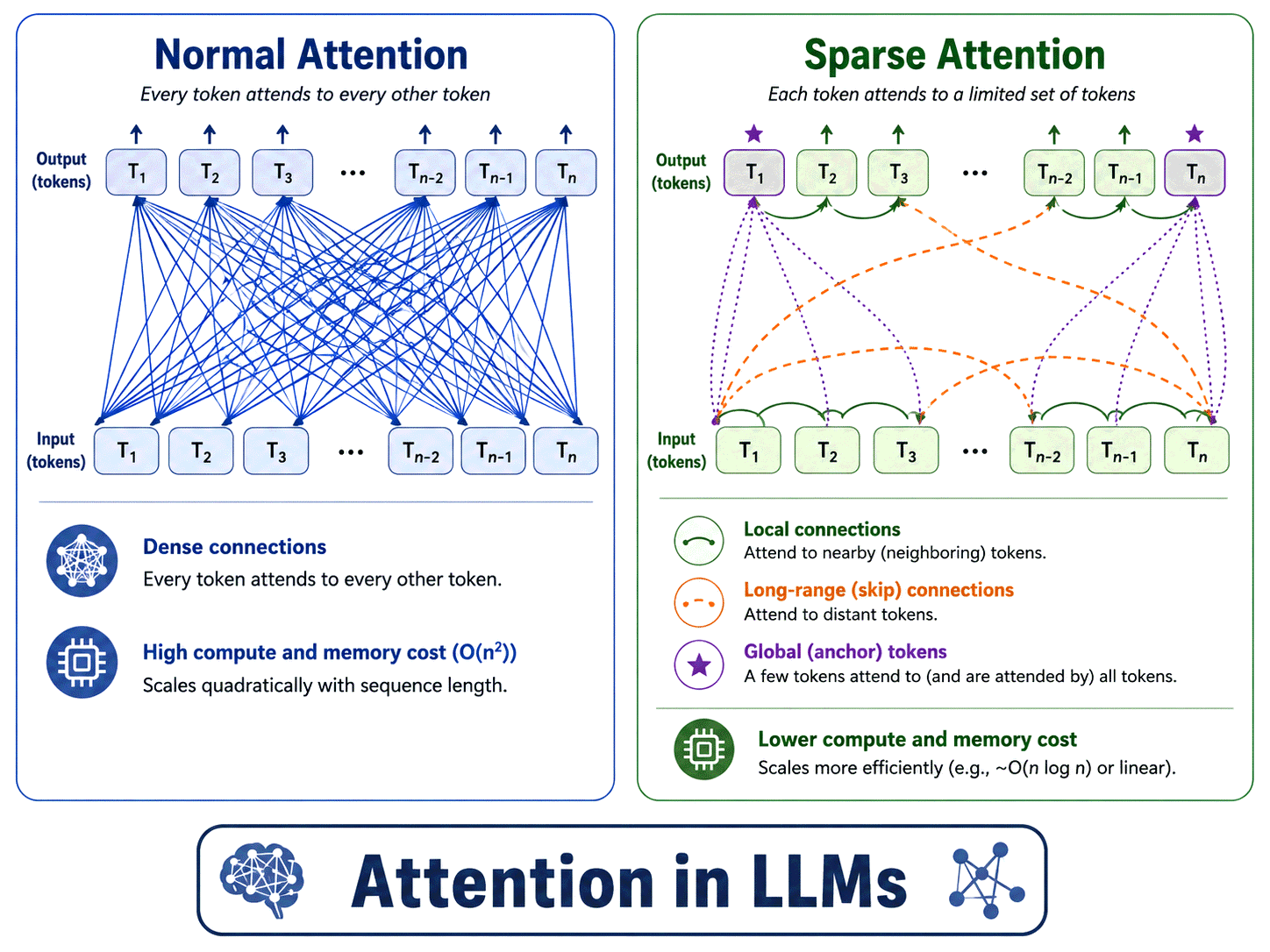
Duplicated logic. AI tools regenerate instead of reuse, because each prompt starts from the file in front of it, not from your architecture. The classic shape: the same permission check pasted into four route handlers, and the fourth one is subtly different. The app has features but no stable internal model, so every edit is a chance to fix three copies and miss the fourth.
Blurry data boundaries. User data, workspace data, admin access, test records, and third-party integration state get handled by whatever pattern the tool reached for that day. It works in the demo because the demo has one user. It fails the first time customer two can see customer one's records.
Implied security. Authentication exists because the template shipped with it. Authorization exists wherever the model happened to add a check. Those are different things: the app knows who you are, but not consistently what you are allowed to touch. Generated API routes tend to trust their inputs because nothing in the prompt said not to. This is the highest-stakes pattern on the list, and the one our AI app security review exists to catch before launch.
No safe change path. Tests are thin or missing, deploys are manual, error logs are incomplete. Nobody is sure which parts of the app are safe to touch, so people stop touching them. That is the debt collecting interest: the product still runs, but it has quietly stopped being changeable.
Unreviewed AI features. If the app itself calls LLMs, there is a second layer: prompt injection, sensitive data flowing into prompts, tools with more access than they need, and per-user model costs nobody has measured. Cost deserves real numbers early. We wrote up what unmeasured model spend does to a business, and what fixing it looks like, in Cheap Model Finds, Expensive Model Thinks: one pipeline went from $6.45 to $1.60 per session once we stopped sending everything to the most expensive model.
Why vibe coding makes feature creep worse
AI makes adding one more feature feel cheap. That changes founder behavior.
A user asks for something. A competitor ships something. The tool can probably generate it. So the product grows.
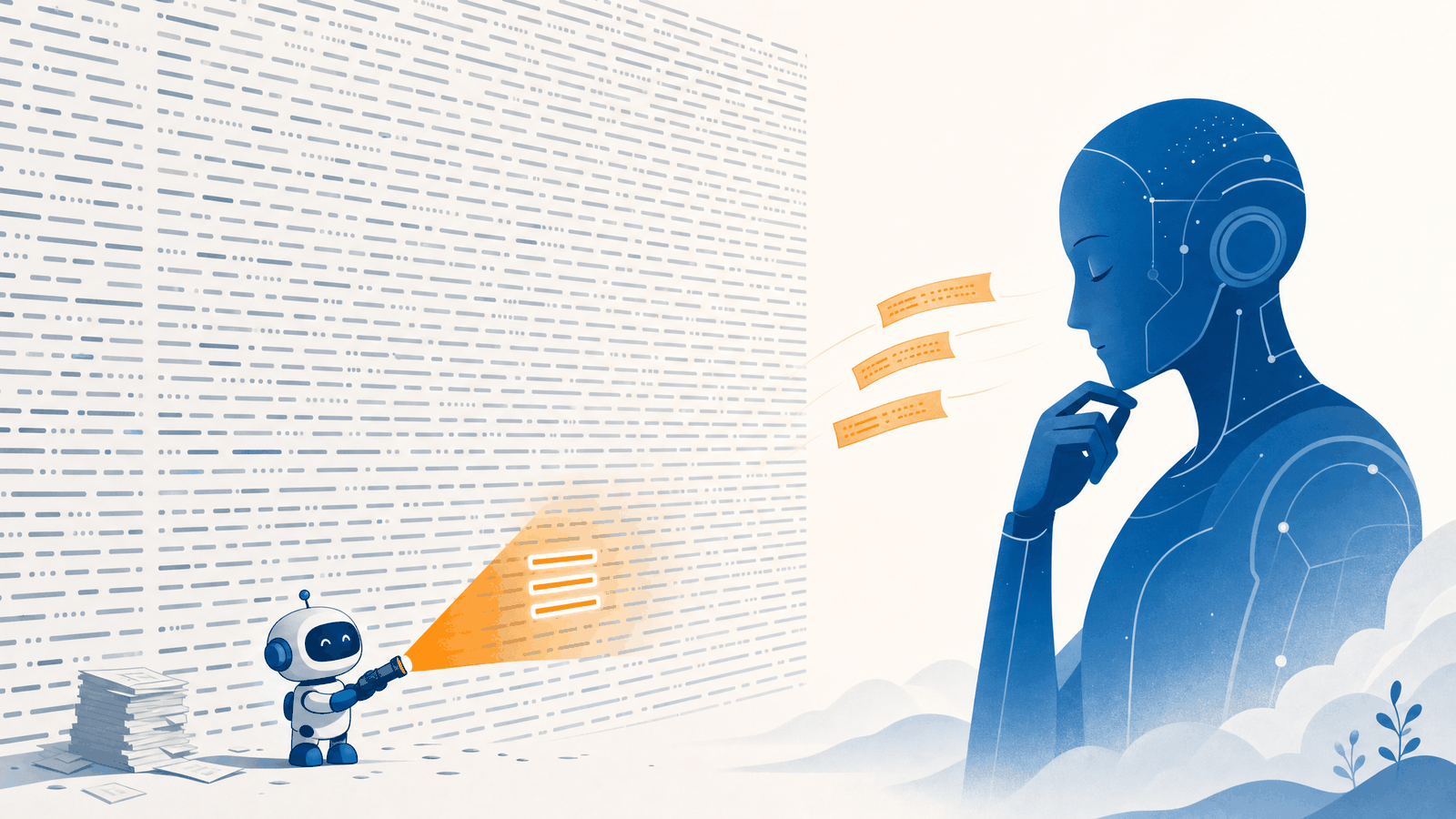
The hidden cost is not development time. It is product clarity. Every feature adds states, permissions, support cases, and maintenance burden, and in a codebase with the five patterns above, every feature multiplies the debt. When the app is still looking for its market, shipping more features can become a way of avoiding the harder question: which users are we actually winning?
That question is a scoping problem, not a refactoring problem. If the honest answer is "we do not know yet," the fix is a tighter MVP scope, not more code.
Paying down the debt: hardening versus rebuilding
A fragile vibe coded app does not automatically need to be thrown away. Often the right move is targeted hardening:
- Tighten authentication and authorization.
- Fix the data model assumptions that leak between users.
- Collapse duplicated business logic into one source of truth.
- Add tests around the flows that touch money and customer data.
- Add monitoring, backups, and a deploy process with a rollback.
- Review AI prompts, tool access, data exposure, and output handling.
Other times a rebuild is cheaper than preserving a confused foundation, especially if the product direction is clearer now than when the prototype was built. The point of a senior review is to make that call with evidence instead of frustration: what stays, what gets refactored, what gets rebuilt, and in what order.
What to review before real users depend on it
Before putting customers on the system, review the parts that create the most exposure:
- User roles, permissions, and tenant boundaries.
- Data storage, backups, migrations, and deletion flows.
- Payment and billing paths.
- Third-party integrations and API credentials.
- LLM prompts, retrieved context, tool calls, and logs.
- Admin surfaces and support workflows.
- Error handling, monitoring, and rollback plans.
- The first three support requests you expect after launch, and who will handle them.
If the app already has users, their bug reports are the best map of where the debt actually is. Start there, not with the code you happen to dislike.
How LOJI fits
We help teams move from AI-built momentum to production reality: AI prototype to production when the app needs hardening, an AI app security review when the biggest risk is exposure, and a rebuild-versus-refactor call when nobody is sure which one they need.
The first step: Book a readiness audit. Bring the repo, known bugs, launch timeline, and user feedback. We will separate urgent debt from optional polish and tell you plainly whether the next phase is hardening, refactoring, or rebuilding.