

Audit first. Validate the workflow. Build in control. Keep support in place from the start.
This is the operating model clients are buying. It exists to keep delivery clear before build starts and to avoid the usual pattern of rushed architecture, fuzzy scope, and post-launch vendor churn.
Yes, we build with AI. Everyone does now. What you are paying for is convergence: we get to a launchable product in fewer rounds because we are not using your budget to learn what production requires. The audit and blueprint phases exist so that when sprint rounds start, each one moves the product toward done instead of around in circles.
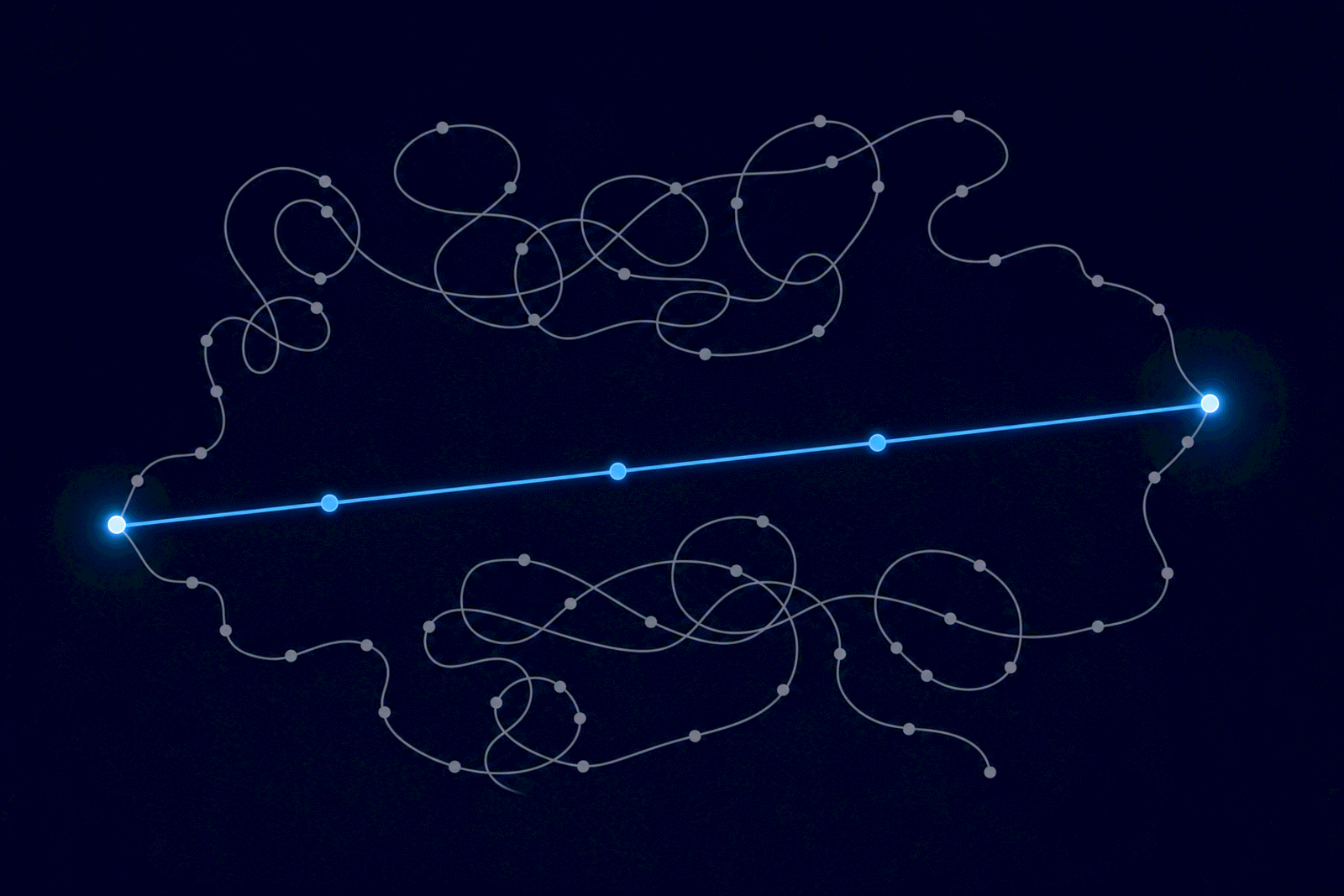
Same tools. Different number of rounds. The gap is judgment, and the gap is your budget.
Readiness audit
We define what the next phase needs to prove, where the biggest delivery risks are, and whether the current plan is even the right one to pursue. This is where the work stops being vague.
Phase 1 mockup and blueprint
Before heavy engineering spend, we align on UX, product flow, architecture direction, and the first build backlog. This is where we settle the questions that usually get discovered too late.
Build in controlled sprints
Once sprint work starts, new requests are queued instead of quietly slipping into active delivery. That keeps velocity measurable and makes scope changes visible instead of invisible.
Support plans that keep the app healthy
After launch, our support plans cover hosting, logging, monitoring, and the management that keeps the app healthy, plus minor changes inside a small monthly budget. Larger plans earn discounts on future scopes of work.
We manage hosting, logging, and app health, and minor changes ride inside the plan.
Every plan covers the management work that keeps a production app healthy, with a small monthly budget for minor changes. Larger plans earn discounts on future scopes of work.
Basic support
Best for lower-change products that mainly need a known team for routine upkeep, small fixes, and scheduled follow-on requests.
Standard support
Best for products with steady post-launch updates, recurring change requests, and a need for tighter coordination with the delivery team.
Premium support
Best for revenue-critical or operations-critical systems where direct coordination, faster escalation, and architect involvement matter.
The process is designed to stay clear after kickoff too.
If the product needs to move, start with the readiness audit.
That is the quickest way to determine whether you need a mockup phase, a rebuild, an AI hardening effort, or a support plan around an existing system. Full audits start at $4k, and if you just want a number first, the quote is free.